Skip to content
  • Circularity platform
  • Solutions
    Our services
    Sectors
    Segments
  • Courses
  • Information
  • Case History
Corsi / Circular Economy Manager
Circular Economy Manager
Circular Economy Manager
€ 835

IVA inclusa

La transizione verso un’Economia Circolare, richiede nuove competenze e capacità trasversali in continua evoluzione.

Livello intensivo
22h di video
5 Moduli

Circular Economy Manager

Circular Economy Manager

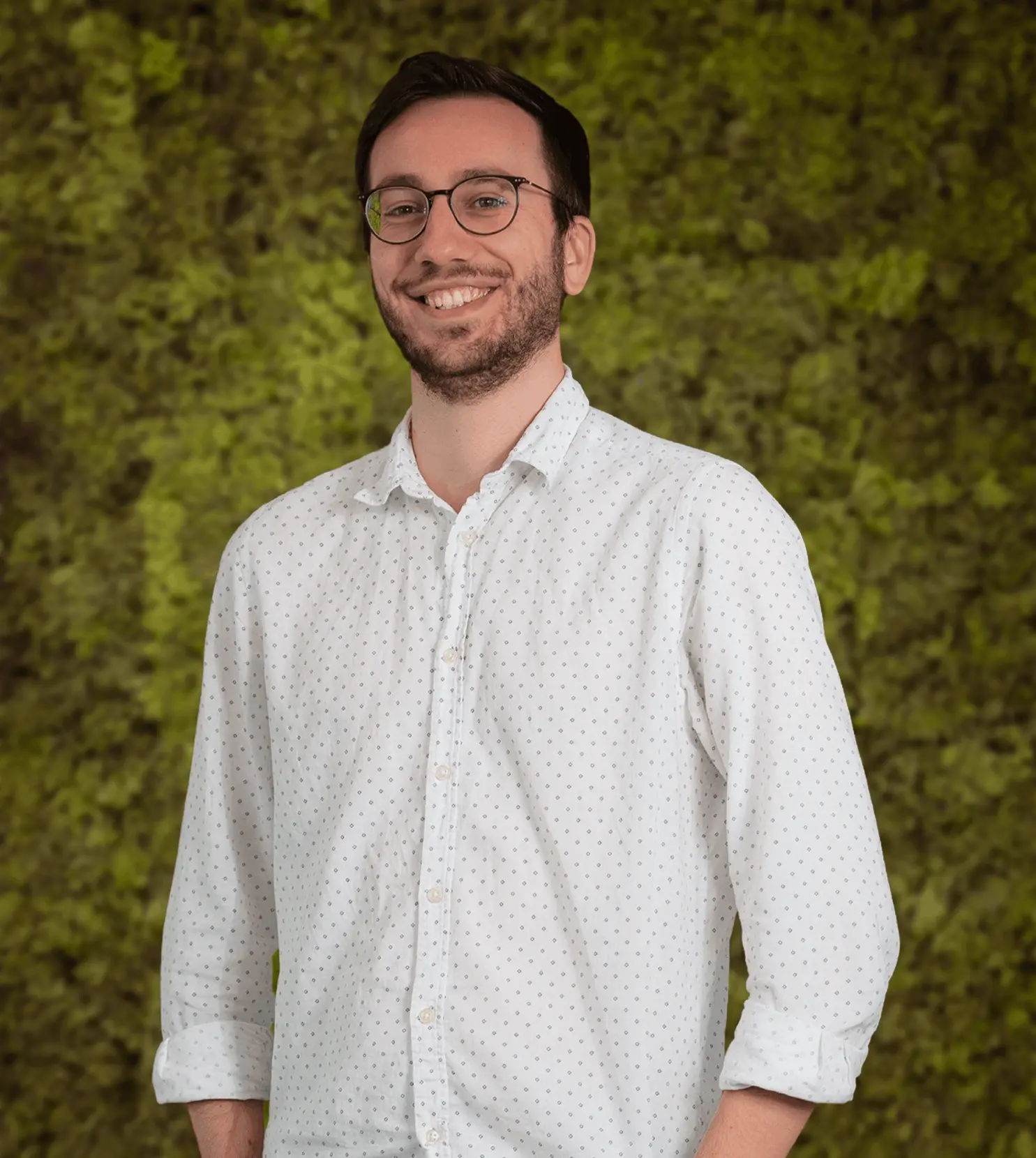
Alberto Pizzocchero
Gabriele Cattivello
Leonardo Corbella
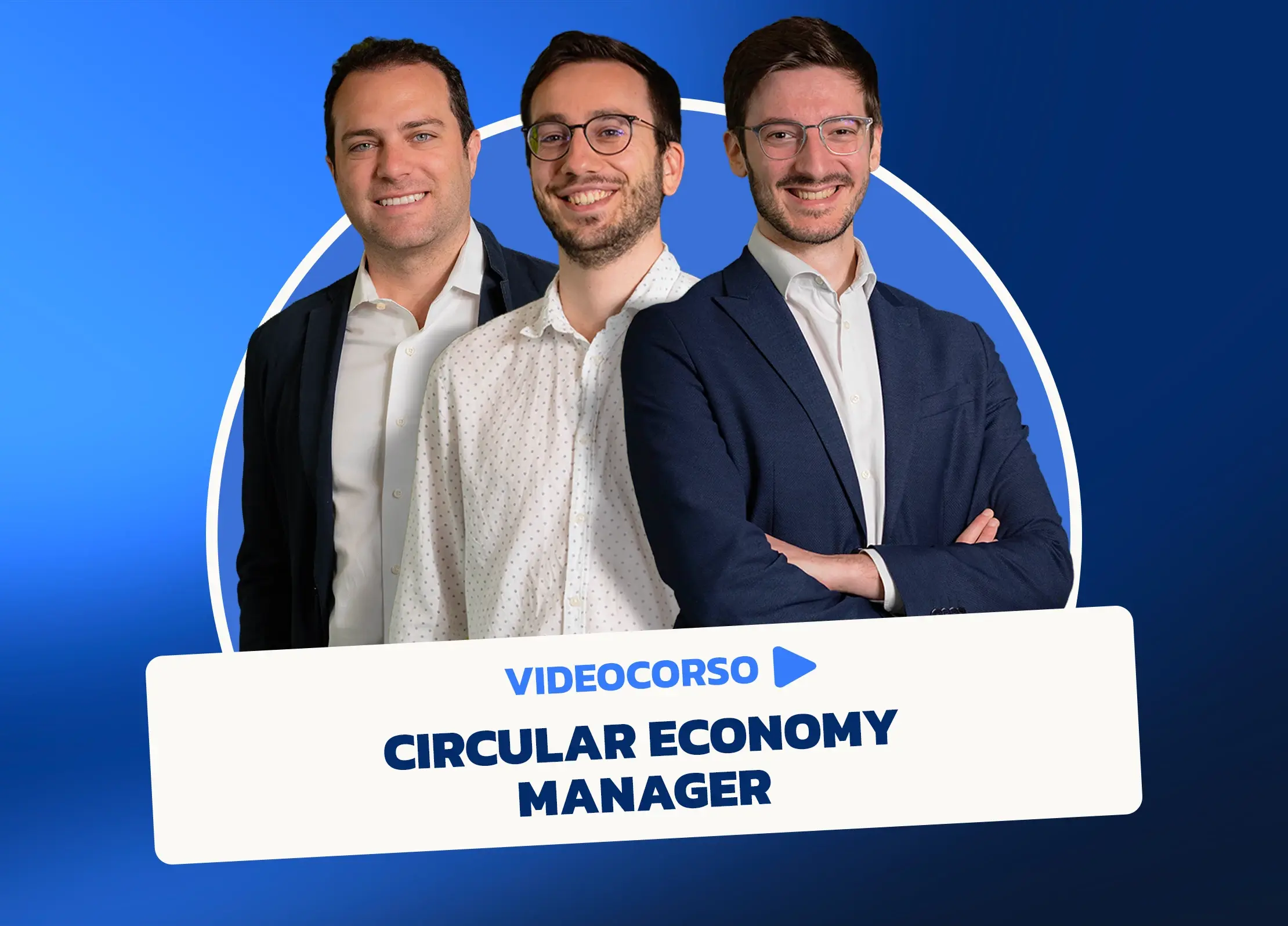
Docenti: Alberto Pizzocchero, Gabriele Cattivello, Leonardo Corbella

The ON-DEMAND course “Circular Economy Manager” is designed to train professionals capable of guiding companies toward a sustainable and circular economy.


Through a training path structured in five modules, participants will acquire specific skills to implement circular economy practices within organizations.


  • The course is aimed at professionals who wish to specialize in circular economy management and at anyone interested in actively contributing to the transition toward a more sustainable future.

  • The course is divided into 4 video-recorded modules available for streaming on the Circularity Platform.

  • The entire course or individual modules can be purchased by credit card or bank transfer and followed in streaming on our platform.

  • Once purchased, they are valid for 100 days. At the end of each module, you can take a quiz to test your level of learning.

  • At the end of the course, a personal certificate of attendance will be issued.

  • The course price is VAT included.

moduli-video
5 video-recorded modules available for streaming
pagamenti

Purchase by credit card or bank transfer

durata-corso
Content is available for 100 days
quiz-verifica

Assessment quiz available at the end of the course

certificato-frequenza
Personal certificate of attendance at the end of the course
carbon footprint measurement thumbnail

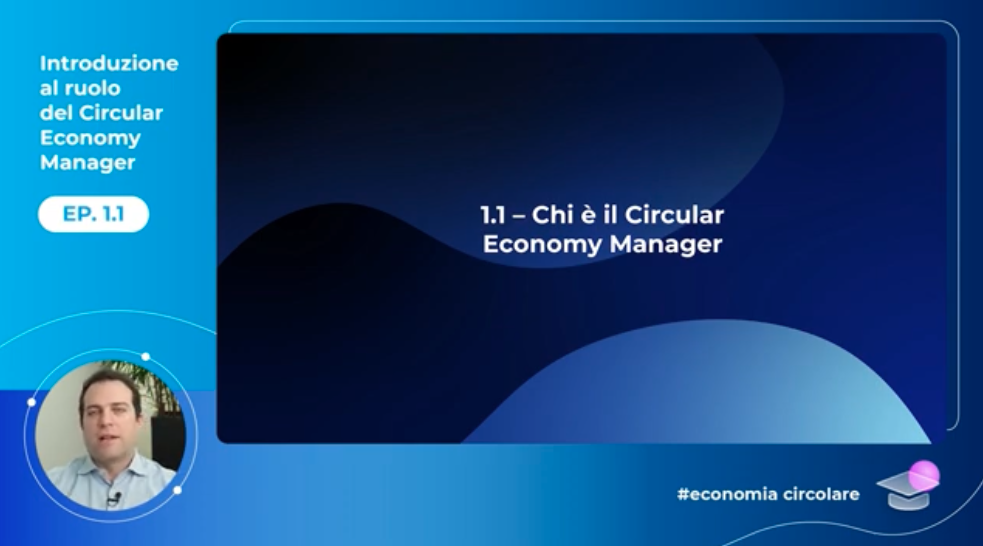
Watch the first video of Module 1 as a free preview

“Who is the Circular Economy Manager”

Moduli

The course contents:

“Circular Economy Manager”

This module introduces the professional figure of the Circular Economy Manager, exploring their responsibilities and the value they can bring within a company. There are also several roles that deal with sustainability and the circular economy. It clarifies the differences between ESG, HSE, and CE Manager in order to better address the new circular topics that need to be tackled.

1.1 Who is the Circular Economy Manager
This is the professional who guides the adoption of circular economy models within the organization. They work to reduce waste, enhance resources and promote the regeneration of materials. They collaborate with various company departments to integrate circularity into processes. They are central to the transition toward a sustainable and competitive economy.

1.2 Skills and specificities of the Circular Manager
They must have multidisciplinary knowledge: technical, environmental, economic and regulatory. They have skills in eco-design, circular supply chain, LCA analysis and waste management. They know how to read data, define KPIs and drive sustainable innovation. They are a bridging figure between strategy, operations and sustainability.

1.3 Circular Manager vs ESG Manager vs HSE Manager
The Circular Manager focuses on circular strategies and on the efficient use of resources. The ESG Manager evaluates environmental, social and governance performance from a financial perspective. The HSE Manager handles health, safety and environment from a regulatory standpoint. The three figures are complementary, but with distinct focuses and responsibilities.

1.4 Measuring and certifying circularity
Circularity is measured through indicators such as the Circularity Index or LCA tools. It makes it possible to evaluate efficiency in the use of resources and environmental impact. Certifications, such as ReMade in Italy or ISO 59010, attest to commitment to circular models. They offer transparency and competitive advantages on the market.

Participants will learn the principles of eco-design and how to apply them to develop products and services that foster circularity. The module covers European policies related to the Circular Economy, all the way to how to concretely implement a more circular design in product development, in order to make products easier to disassemble, repair and extend their useful life.

2.1 European Ecodesign policies
The European Union promotes ecodesign through regulations such as the Ecodesign Directive and the ESPR Regulation. The goal is to design products that are durable, repairable, recyclable and energy-efficient. These policies fit into the Green Deal and the action plan for the circular economy. Companies are pushed to innovate starting from the design phase.

2.2 How to make a product more circular starting from its design
Design is the first step in determining the circularity of a product. It involves recycled materials, modularity, repairability, disassembly and end-of-life. The approach must consider the entire life cycle (LCA) and reduce the use of virgin resources. Good design anticipates problems and creates sustainable value along the entire supply chain.

2.3 Communication and circular Greenwashing
Communicating circularity requires transparency, verifiable data and consistency with company practices. The risk of greenwashing is high when vague claims or those unsupported by evidence are used. EU guidelines and ISO standards help to communicate correctly. Effective communication strengthens reputation and consumer trust.

Strategies will be analyzed to evaluate the environmental impact of products throughout their entire life cycle, from production to recycling. This module covers the theory of LCA in order to understand its potential use and how to implement it within your own company.

3.1 Introduction to Life Cycle Assessment
LCA (Life Cycle Assessment) is a methodology that analyzes the environmental impacts of a product or service throughout the entire life cycle. From production to disposal, it considers resource consumption and emissions. It is an objective tool, based on scientific data and ISO 14040-14044 standards. Fundamental for sustainability and circularity strategies.

3.2 Defining the objectives
This phase establishes the purpose of the LCA analysis: what is to be evaluated and why. The target audience, the intended use of the results and the decisions to be supported are identified. It is crucial for guiding all subsequent phases. A clear objective ensures consistency and relevance of the analysis.

3.3 Defining the scope of the analysis
This consists of outlining the system boundaries, the functional units and the inclusion/exclusion criteria. It defines what is included in the life cycle (e.g. production, use, end-of-life) and to what extent. It influences the quality and comparability of the results. Proper scoping prevents interpretation errors.

3.4 Inventory analysis
In this phase, data is collected on inputs (raw materials, energy) and outputs (emissions, waste) of each process. It is the most technical and complex part of the LCA. It requires reliable sources, databases and modeling tools. It forms the quantitative basis for impact analysis.

3.5 Impact analysis
The inventory is translated into environmental impact categories (e.g. climate change, eutrophication, acidification). Each flow is characterized to evaluate its effect on the environment. Recognized methods such as ReCiPe or ILCD are used. It provides an overall view of the environmental burden of the analyzed system.

The Circular Economy is mainly based on the concept of reducing material consumption. It is therefore important to know the characteristics of the main types of materials and their potential for reuse and recycling within the perspective of the circular economy.

4.1 Materials in the circular economy and the rules of material recycling
The circular economy promotes the efficient use of materials through reuse, recycling and regeneration. Each material has specific recycling rules linked to technical and quality regulations. It is essential to design with separability and recyclability in mind. Proper management of materials reduces waste and the consumption of virgin resources.

4.2 Plastic
Plastic is among the most widely used materials, but also among the most critical for the environment. The circular economy calls for its reduction, mechanical or chemical recycling and the use of alternative materials. Design must avoid non-separable blends and improve collection. EU regulations, such as the SUP Directive, govern its use and management.

4.3 Bio-plastic
Bioplastics can be of biological origin, biodegradable or both, but they are not always sustainable by definition. Their use must be evaluated with LCA and consider end-of-life and compatibility with composting systems. They can replace conventional plastic in some contexts. It is important to distinguish between bio-based and compostable.

4.4 Paper and wood
Paper and wood are renewable materials and easily recyclable, if managed correctly. Wood can be reused or transformed into panels, paper into new paper from waste paper. The quality of recycling depends on purity and the number of cycles. Certifications (FSC, PEFC) guarantee sustainable sourcing.

4.5 Metals
Metals are highly recyclable without losing quality, making them perfect for the circular economy. Aluminum and steel have well-established recovery supply chains. However, primary extraction remains impactful: it is crucial to close the loops. Design must facilitate the separation of metals from complex products.

4.6 Glass
Glass is 100% recyclable indefinitely, but only if collected and treated correctly. The quality of collection (separated by color, free from contaminants) is essential to ensure recycling. It has a high energy impact in production, but recycling significantly reduces its footprint. It is ideal for an efficient closed loop.

4.7 Critical Raw Materials (CRM)
Critical raw materials are strategic resources for European industry, but at risk in terms of supply or geopolitical impact. They include elements such as lithium, rare earths and cobalt. The circular economy focuses on recovery, recycling and reduction of use. The EU has dedicated strategies to ensure security and sustainability.

4.8 Packaging in the circular economy
Circular packaging must be designed to be reduced, reused or easily recycled. Single-component, recycled and compostable materials are favored where appropriate. European directives (such as the PPWR) impose stringent requirements for sustainable packaging. Good design reduces environmental impacts and management costs.

This module addresses the Circular Economy from the perspective of waste management. It is essential to know the main “rules of the game” in order to transform waste into new resources within a circular economic system.

5.1 Waste management in the circular economy
In the circular economy, waste is not refuse, but resources to be valued. The focus is on prevention, reuse, recycling and recovery, minimizing disposal. The European waste hierarchy guides sustainable strategies. The goal is to close production cycles efficiently and with low impact.

5.2 The industrial waste management sector
It is a strategic sector undergoing transformation, from a linear to a circular logic. It includes public and private operators for collection, treatment, sorting and recycling. Advanced technologies and European regulations push toward more efficient management. The sector is central to the ecological transition and resource security.

5.3 Waste management in the company
Companies must know, classify and track their own waste, complying with environmental regulations. Circular management focuses on upstream reduction, separation and internal or external recycling. Environmental audits and the use of dedicated software facilitate control and improvement. It is a key area for efficiency and compliance.

5.4 Extended Producer Responsibility EPR
EPR requires producers to manage the end-of-life of the products they place on the market. It provides for collective or individual systems for collection and recycling (e.g. WEEE, packaging). It encourages eco-compatible design and the reduction of environmental impact. It is a key regulatory tool for the circular economy in Europe.

Docenti

I nostri docenti

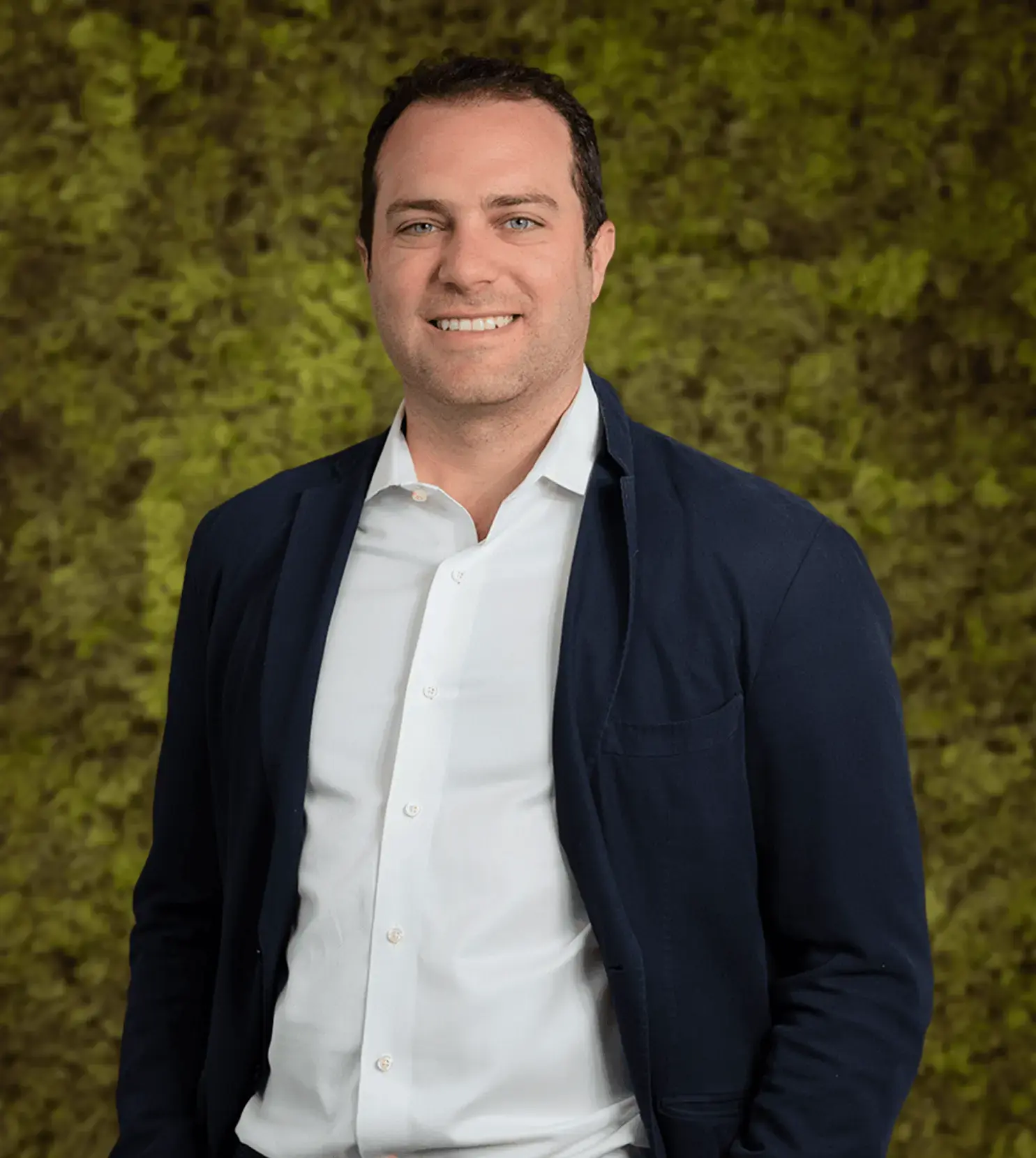
Alberto Pizzocchero
Alberto Pizzocchero
Circular economy Project Manager
Laurea magistrale in Ingegneria per l’Ambiente e il Territorio in Tecnologie di Risanamento Ambientale al Politecnico di Milano, abilitato alla professione di Ingegnere, per accrescere le competenze manageriali e professionali sulle attuali tematiche di sostenibilità. Laurea professionale Executive Master in Circular Economy Management presso la LUISS Business School. Specializzato nella sostenibilità, ottimizzazione della gestione e trattamento dei rifiuti, principi e applicazione di Economia Green e Circolare in specifici progetti di settore e di singole aziende. Responsabile di formazione sulle tematiche di Sostenibilità ed Economia Circolare, con cattedre specifiche in Master professionali presso l’Università Cattolica di Milano, 24Ore Business School e direttamente all’interno delle aziende in percorsi formativi personalizzati. 
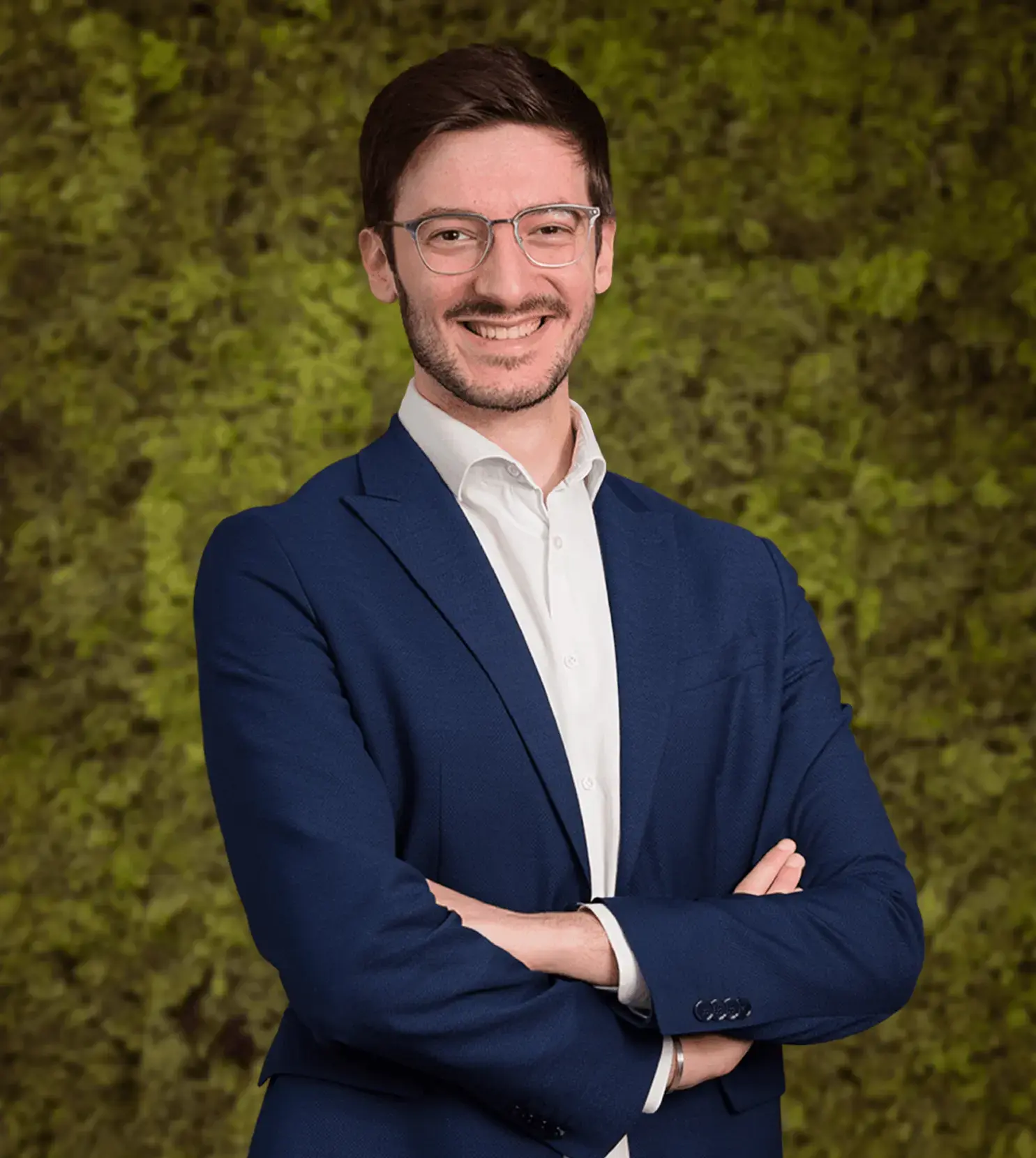
Gabriele Cattivello
Gabriele Cattivello
Circular economy & Carbon footprint Analyst
Consegue la laurea magistrale in ingegneria dei materiali e delle nanotecnologie presso il Politecnico di Milano, ampliando la propria specializzazione in materiali polimerici con esami e corsi integrativi riguardanti la gestione e il riciclo dei materiali, l’analisi del ciclo di vita e elementi di micro e macroeconomia.
Nel corso degli anni di esperienza professionale, il background ingegneristico si è integrato con le metodologie per la stima degli impatti ambientali legati a prodotti, servizi e organizzazioni, acquisendo padronanza nei principali schemi del settore (ISO 14064, GHG PROTOCOL, ISO 14044).
Parallelamente, l’esperienza maturata a stretto contatto con l’industria del riciclo ha consentito di approfondire le dinamiche di mercato, i vincoli normativi e gli aspetti tecnici e gestionali peculiari di un settore ancora troppo sconosciuto al grande pubblico.
Leonardo Corbella
Leonardo Corbella
Sustainability & Carbon footprint Specialist
Consegue nel 2019 la laurea magistrale in Scienze e Tecnologie per l’Ambiente e il Territorio presso l’Università di Milano Bicocca. Durante la realizzazione del proprio elaborato di tesi collabora con il gruppo di ricerca GREEN (Centro di Ricerca sulla geografia, le risorse naturali, l’energia , l’ambiente e le reti) dell’Università Commerciale Luigi Bocconi.
Da sempre attento e interessato alle tematiche di sostenibilità e desideroso di potervi contribuire attivamente, ha iniziato la propria carriera lavorativa come membro del team tecnico di Circularity in qualità di Sustainability & Carbon Footprint Specialist. 
Specializzato nell’analisi di dati ambientali nell’ambito di progetti di rendicontazione di sostenibilità e nella realizzazione di studi di Carbon Footprint. Si occupa infine dell’erogazione di corsi di formazione in materia di Sostenibilità ed economia Circolare sia in occasione di Master professionali presso la 24Ore Business School e l’Università Cattolica, sia rivolgendosi direttamente alle aziende nell’ambito di percorsi di formazione dedicati.

Start the training

Contact us now