


Oropan turns tradition and local supply chain into a three-year ESG strategy
Oropan
The context
The objectives
Circularity's contribution
The results
Oropan
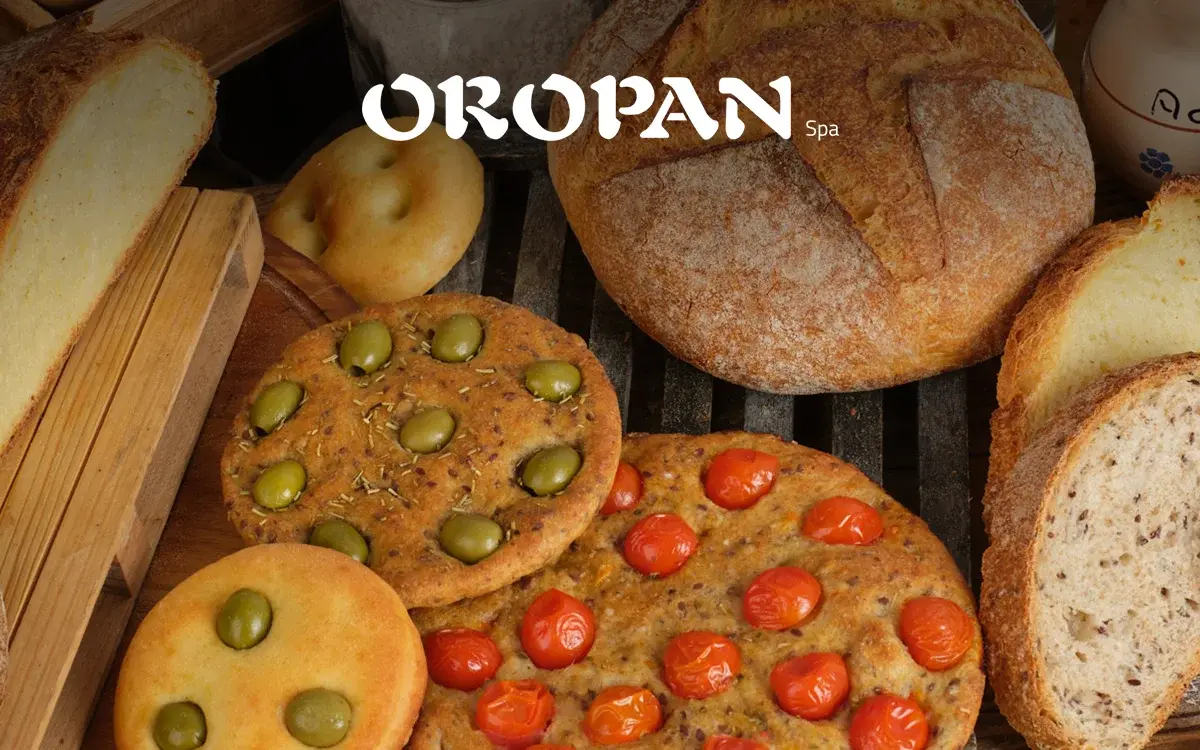
Oropan S.p.A. is a company that produces and markets bakery products, embodying the culinary tradition of Altamura and carrying forward a deep connection with the Apulian region and Italian bread-making culture.
The context
The Italian bakery sector is undergoing an accelerated transformation: reducing food waste, sourcing from renewable resources, promoting worker well-being, actively engaging the supply chain and local communities are now central themes, no longer optional.
Oropan, although a company rooted in tradition, wanted to demonstrate that innovation and sustainability could coexist with the authenticity of artisanal products.
The goal was clear: to move from isolated initiatives to an integrated strategic vision, capable of guiding the company's choices in the coming years and transparently reporting on the progress achieved.
Although not required by law, the company voluntarily chose to publicly report its ESG performance, actively involving stakeholders in defining priorities.
The objectives
Circularity's contribution
We guided Oropan through a structured journey that integrated strategic planning and reporting, built through the direct involvement of internal and external stakeholders.
Definition of the three-year Strategic Sustainability Plan: Starting from the materiality analysis, we structured a roadmap built on 4 strategic pillars:
-
Sustainability within the company
-
Care for the environment
-
Innovation and economic growth
-
Value for the market, the supply chain and the region
These pillars translate into 13 objectives and 81 concrete and measurable actions, each linked to the Sustainable Development Goals (SDGs) of the UN 2030 Agenda. Each action has been assigned time-based milestones to ensure monitoring and accountability over time.
Drafting of the first 2021 Sustainability Report according to the GRI Standards: We supported the company in the voluntary reporting of ESG performance, building a transparent, verifiable document capable of communicating concrete commitment to sustainability to all stakeholders.
The results
Oropan has transformed sustainability from a declared value into a measurable operating system, equipping itself with a three-year roadmap that guides strategic decisions and a public reporting tool that strengthens credibility with the market.
The company has shown that even in the traditional bakery sector it is possible to build a business model that integrates profit, social responsibility and environmental protection.
-
Three-year Strategic Sustainability Plan defined
-
4 strategic pillars, 13 objectives, 81 measurable actions
-
Participatory process with internal and external stakeholders
-
First 2021 Sustainability Report published according to GRI Standards
-
Voluntary reporting despite the absence of regulatory obligation
-
Alignment with the SDGs of the UN 2030 Agenda
-
Time-based milestones for monitoring and governance
-
Transparency and social responsibility toward communities and the region
Tell the story of your commitment well
With us at Circularity, it's easier.